What is the difference between a provisional and a nonprovisional application?
A provisional application establishes an early filing date for your invention at a lower cost and with fewer formal requirements. It is never examined and expires after 12 months. To keep that filing date, you must file a nonprovisional application claiming priority to it within those 12 months. The nonprovisional is the application the USPTO examines and that can become an issued patent.
How much does a patent cost?
We charge fixed fees, agreed in advance, for preparation and prosecution. You therefore know the cost before work begins. After your free consultation, we give you a fixed quote for your matter. USPTO filing, search, and examination fees are separate and depend on the type of application and your entity size; many individual inventors and small companies qualify for reduced fees.
Is my invention patentable?
To be patentable, an invention must be new, non-obvious, useful, and directed to patent-eligible subject matter. A prior art search shows what already exists and helps us judge where your invention stands and how to claim it. No one can guarantee that a patent will be granted, but a well-informed claim strategy gives your application the strongest footing.
Should I keep my invention secret before filing?
Yes, where possible. Public disclosures, sales, and offers for sale can affect your ability to get a patent. U.S. law gives inventors a limited one-year grace period for their own disclosures, but many other countries do not. A disclosure before filing may therefore foreclose your options abroad. If you have already shared your invention, tell us when and how during your consultation.
Do you use AI?
Sometimes, the way we might use a calculator: as a tool, not as the author. In our experience, patent applications written mainly by AI tend to be long and dense without focusing on what is actually new about the invention or on a strategy for protecting it. Because that is the part that matters most, we develop the claim strategy and do the core drafting ourselves. We may use AI to support that work, for example in editing and in running additional prior art searches, and we review everything before it is filed.
Is what I share with you confidential?
Information you share with us as a prospective client is treated as confidential. Until we confirm that we can represent you, we ask that you describe your invention only in general terms. Once you engage us, your communications are protected by attorney-client privilege and our professional duty of confidentiality.
Who on your team will see my invention, and is it protected?
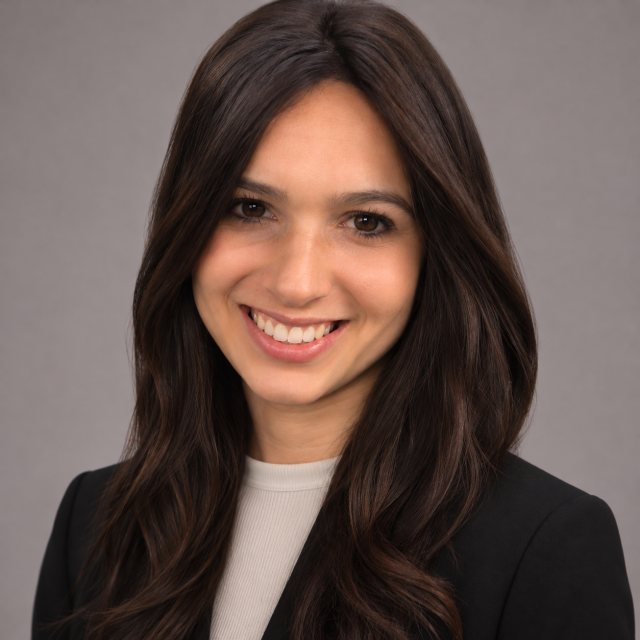
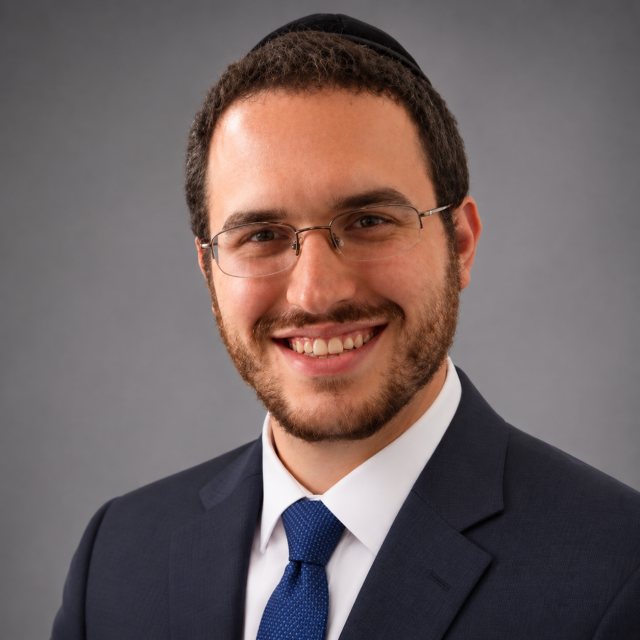
Your invention remains yours. We do not acquire any rights in it by representing you. Every invention is reviewed first by Yulia Kornbluth, our responsible attorney. Our technology specialist is brought in only if you would like his perspective on the state of the art, only after we confirm that there is no conflict of interest, and only with your approval.
Every member of our team is bound by written confidentiality obligations that prohibit using client information for any purpose other than your matter, including in their own work or for any employer, and all work on your matter is carried out under the supervision of our responsible attorney.
Do you work with clients outside Arizona?
Yes. Because patent prosecution before the USPTO is federal practice, we can represent inventors and companies anywhere. We work with clients by video call and email.
Do you handle international patent applications?
Our practice focuses on U.S. patent prosecution. If you are considering protection in other countries, we can discuss your options and the deadlines that apply, including Patent Cooperation Treaty (PCT) filings, during your consultation.